
Table of Contents
- Why Europe Ranks as a Top Honeymoon Destination for Couples
- Best European Beach Honeymoon Destinations for Sun and Sea
- Romantic European Cities for Culture and Cuisine
- European Honeymoon Destinations for Summer Travel
- How to Plan a European Honeymoon: Budgets, Seasons, and Logistics
- Building a European Honeymoon Itinerary That Fits Your Pace
- Conclusion
- Frequently Asked Questions
Last Updated: October 21, 2026
Why Europe Ranks as a Top Honeymoon Destination for Couples
Europe packs more romance per mile than almost anywhere else on earth.
At Solstice Travel LLC, we plan these trips for a living, and we've learned that the destination matters less than the fit. A couple who loves hiking and quiet coastlines will be miserable in a packed city in August.
Below, we break down the destinations, the seasons, and the logistics, so you can pick with confidence.
Best European Beach Honeymoon Destinations for Sun and Sea
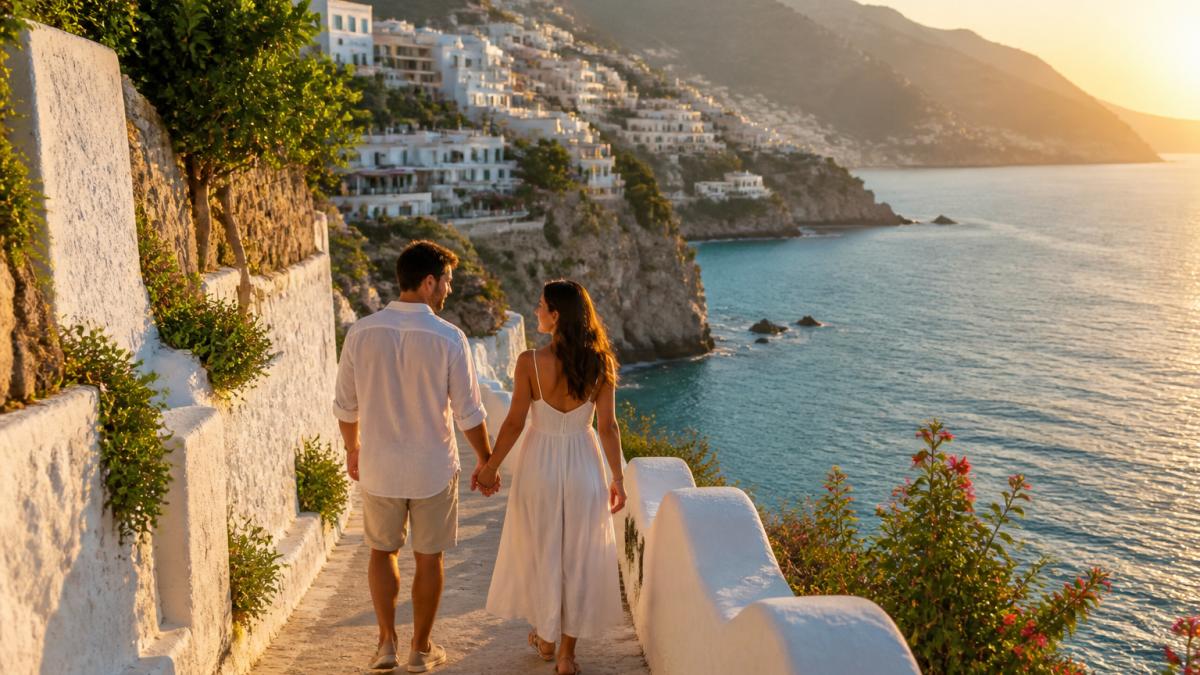
If your dream honeymoon involves salt water and long, unscheduled afternoons, start here. Europe's best beach honeymoons cluster around the Mediterranean and the Aegean Sea, where the water stays warm well into fall and the coastline is built for slow days.
Mediterranean Islands and Coastal Escapes
The Greek islands set the standard. Santorini's Caldera cliffs deliver the famous sunset, but the island's quieter east coast is where couples actually relax.
Italy's coastline holds its own. The Amalfi Coast pairs cliffside towns with boat trips and lemon groves, while Sardinia's beaches rival anything in the Caribbean.
A common mistake is booking the most photographed island and expecting privacy. The postcard spots are busy for a reason. If seclusion matters, we steer couples toward shoulder-season dates or lesser-known islands nearby.
Romantic European Cities for Culture and Cuisine
Cities suit couples who want museums, restaurants, and walkable streets rather than beach chairs. Paris remains the benchmark, though it rewards travelers who skip the obvious and explore neighborhoods like Le Marais. Rome delivers ancient history and extraordinary food in the same afternoon. Seville, Vienna, and Prague each offer a distinct romantic character at a gentler pace.
Historic Sites, Local Cuisine, and Sunset Views
The best city honeymoons balance sightseeing with unstructured time. Book one major historic site per day, then leave the rest open. A sunset rooftop, a long dinner, and a walk with no destination often become the memories couples talk about most.
What most guides miss is how much a city's mood shifts by season. August empties local neighborhoods as residents leave, while May and September bring ideal weather and a livelier street scene.
European Honeymoon Destinations for Summer Travel
Summer is the most popular window for a European honeymoon, and for good reason. Long days, warm seas, and festival season make June through August feel made for celebration. The tradeoff is crowds and heat, especially across southern Europe in July and August. What most roundups skip is that "summer" is not one season, June, July, and August behave very differently depending on where you go.
Month-by-Month Summer Comparison
| Month | Best-Fit Regions | Weather Pattern | Crowd and Cost Pressure | Honeymoon Trade-off |
|---|---|---|---|---|
| June | Greek islands, Amalfi Coast, Dalmatian coast | Warm seas, long daylight, low humidity | Moderate; rates climb late in the month | Best balance of warm water and breathing room |
| July | Scandinavia, Atlantic Portugal, Baltic cities | Mild north; hot and dry south | Peak in the Mediterranean | Go north for comfort, south only with early bookings |
| August | Scotland, Ireland, Norway, Alpine villages | Cool and changeable north; intense heat south | Peak everywhere; southern cities empty of locals | Northern countryside delivers romance without the crush |
| Late August to early September | Mediterranean islands, Italian coast | Sea still warm; heat easing | Noticeably calmer after the third week | The sweet spot for beach-focused couples |
A common pattern we see: couples book July in Santorini because that is when their work calendars allow it, then spend the trip seeking shade. If your dates are fixed in July or August, look north or go coastal. Scandinavia offers mild temperatures and long, bright evenings, the so-called white nights make a midnight walk feel genuinely romantic. The Atlantic coast of Portugal stays comfortable with reliable sea breezes, and the Dalmatian islands reward early-morning boat departures with quiet coves before the day-trippers arrive.
Summer Logistics That Protect the Romance
Three practical moves make a summer honeymoon feel less like a group tour:
- Book the marquee experiences first. Sunset caldera sails, Michelin-starred dinners, and cliffside suites sell out months ahead in July and August. Lock those, then leave the rest loose.
- Schedule around heat, not against it. In southern Europe, plan sightseeing before 10 a.m. and after 6 p.m., and reserve midday for the water, a long lunch, or a shaded terrace. Couples who fight the heat come home cranky.
- Check cruise-ship port days. Popular Mediterranean ports swell by thousands of day visitors on ship days. A simple port-schedule check can turn a crowded afternoon into a quiet one.
Couples who travel in summer should also consider the shoulder-season overlap: late June behaves like summer but prices and crowds lag behind July. In the Mediterranean, choosing a smaller island, Milos or Naxos over Santorini, for example, makes a real difference when the calendar is fixed to peak weeks.
How to Plan a European Honeymoon: Budgets, Seasons, and Logistics
A well-planned European honeymoon starts with three decisions: season, pace, and budget. Get those right and the rest, from hotels to transport, falls into place. Get them wrong and even a beautiful destination can feel stressful. This section covers the mechanics competitors tend to skip: how costs actually break down, how to read a destination's cost profile before you commit, and how to sequence a multi-stop trip without burning days in transit.
Budget Ranges and Cost Breakdowns
Honeymoon costs vary enormously by country, season, and travel style. Rather than quote a single figure, which would be meaningless without knowing your dates and service level, we build a budget around four buckets and the levers that move each one:
| Budget Area | What It Covers | Primary Cost Drivers | Where Couples Overspend |
|---|---|---|---|
| Flights | Transatlantic airfare, seat upgrades, intra-Europe hops | Booking window, routing, peak-season demand | Booking too late in peak season; paying for business class on a short intra-Europe leg |
| Accommodation | Hotels, honeymoon suites, resorts, agriturismos | Location premium, view premium, season | Paying for views they rarely use; upgrading every night instead of splurging on two |
| Food and drink | Meals, wine, local cuisine, tasting menus | City vs. countryside, tourist-zone vs. neighborhood | Resort dining every night instead of one neighborhood dinner |
| Activities and transport | Boat trips, tours, trains, transfers, rentals | Private vs. shared, distance, season | Booking every day solid; private transfers where a train is faster and cheaper |
How to read a destination's cost profile. Three factors predict most of the variance:
- Country tier. Northern and Western Europe generally run higher for lodging and dining than Southern and Eastern Europe. A couple can often upgrade their accommodation tier by shifting a few days from a capital city to a secondary region.
- Season multiplier. Peak summer weeks in Mediterranean hotspots carry the steepest lodging premiums of the year. Shoulder weeks in late June and September often deliver similar weather at meaningfully lower rates.
- Location premium within a destination. A room with a caldera or coastline view can cost substantially more than an equivalent room two streets inland. Couples who care about the view should pay for it deliberately on two or three nights, not every night.
A budgeting method that works. Set a total trip ceiling first, then allocate roughly by bucket, flights, lodging, food, activities, and a contingency reserve for surprises. The contingency line is the one couples skip and later regret; flight disruptions and weather-driven rebookings are the most common unplanned expenses. Because pricing depends on dates, destination, and service level, we always quote after understanding the trip rather than publishing a single number that will be wrong for most couples.
Travel Logistics and Itinerary Sequencing
Logistics is where honeymoons quietly lose days. A few principles prevent that:
- Two or three bases maximum for a one-to-two-week trip. Every additional base costs roughly half a day in packing, transfers, and check-in. Spend at least three nights in each base.
- Move in the morning. Transfers and train rides land better before lunch, leaving the afternoon free for arrival, a walk, and dinner.
- Match transport to distance. High-speed rail is often faster door-to-door than flying on routes under about four hours, once airport transfers and security are counted. Ferries are the right call for island hopping but are weather-dependent, build a buffer day before any international departure.
- Book the arrival night deliberately. A late arrival into an unfamiliar city is the worst possible start. A pre-arranged transfer and a hotel within walking distance of dinner removes the friction.
A sample rhythm for a ten-day trip: three nights in a city base, three nights on a coast or island, three nights in a countryside or second city, with one full unscheduled day built into each base. That structure leaves room for the spontaneous afternoon that becomes the story you tell afterward.
Crowds, Privacy, and Quieter Alternatives
Crowds are the most predictable problem in European honeymoon planning, and the most fixable. Shifting your travel dates by two weeks, choosing a smaller island, or staying just outside a famous town often delivers the same scenery with far more privacy. Couples who want quiet should also consider countryside stays, where agriturismos and small inns offer space and stillness that city hotels can't match.
Solstice Travel LLC does not charge an upfront fee; we make commissions from our suppliers, which means our planning work is built into the trip you book rather than billed separately. That structure lets us focus on fit, season, pace, and budget, before anything gets reserved.
Building a European Honeymoon Itinerary That Fits Your Pace
The best European honeymoon itinerary is built around how you want to feel, not how many cities you can tick off.
Our rule of thumb: two or three bases maximum for a one-to-two-week trip. Spend at least three nights in each, and build in one full day with nothing scheduled.
Solstice Travel LLC designs itineraries around your priorities, whether that means a river cruise, an all-inclusive resort, a European adventure, or a custom-designed itinerary.
Conclusion
The hardest part of planning a European honeymoon isn't finding a beautiful place. It's choosing the one that fits your pace, your season, and your budget without losing the romance to logistics. That's the work we do at Solstice Travel LLC, from personalized itineraries and cruise expertise to ongoing supplier training and certifications, and support before and during your trip. Let's start planning your honeymoon around what matters most to you both.
Frequently Asked Questions
What is the most romantic place for a honeymoon in Europe?
There is no single answer, because romance depends on what a couple enjoys. A Mediterranean island with a private terrace and sunset views suits couples who want seclusion. A historic European city with candlelit dinners and walkable streets suits couples who prefer culture and cuisine. The best European honeymoon is the one that matches your travel style, pace, and season rather than the one that tops a generic list.
How much does the average honeymoon to Europe cost?
Costs vary widely by destination, season, and travel style. Flights, accommodation, dining, and activities drive the total. Because pricing depends on dates and itinerary, ask a planner for a quote tailored to your trip rather than relying on averages.
How many days should couples spend on a European honeymoon?
Most couples do well with 10 to 14 days. That allows two destinations without constant packing, plus a buffer for travel days. A single-city stay can work in 7 to 8 days, while island hopping or multi-country itineraries need at least 12 days to feel relaxed. Build in one unstructured day per destination so a delayed flight or a slow morning does not derail the plan.
Which European honeymoon destinations are best for summer?
Summer favors northern Europe and higher-altitude or coastal areas where heat is manageable. Mediterranean islands are at their best for swimming but busiest in July and August. Couples who want warm beaches should book early and choose quieter islands or shoulder-season weeks in late June or early September. Northern cities and countryside escapes offer long daylight hours and comfortable temperatures for sightseeing.